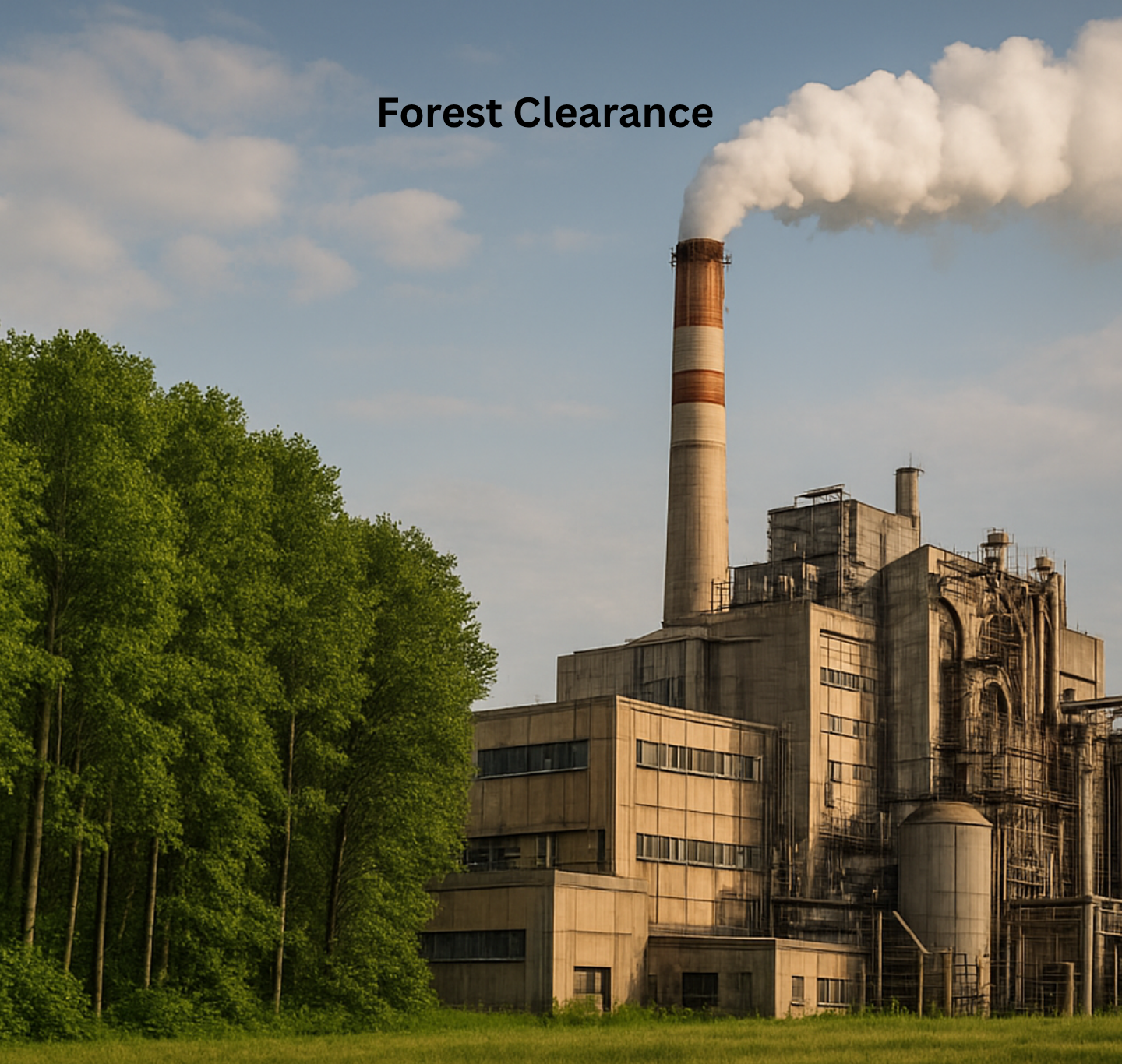
Forest Clearance
Forest Clearance is a statutory approval required before any forest land can be diverted for non-forest purposes such as roads, dams, mining, or industries. It ensures that environmental impacts are carefully assessed, wildlife habitats are protected, and compensatory afforestation or conservation measures are planned to offset loss. Granted under India’s Forest (Conservation) Act, 1980, this clearance is issued only after detailed scrutiny by state and central authorities to balance development with the preservation of forests and biodiversity.
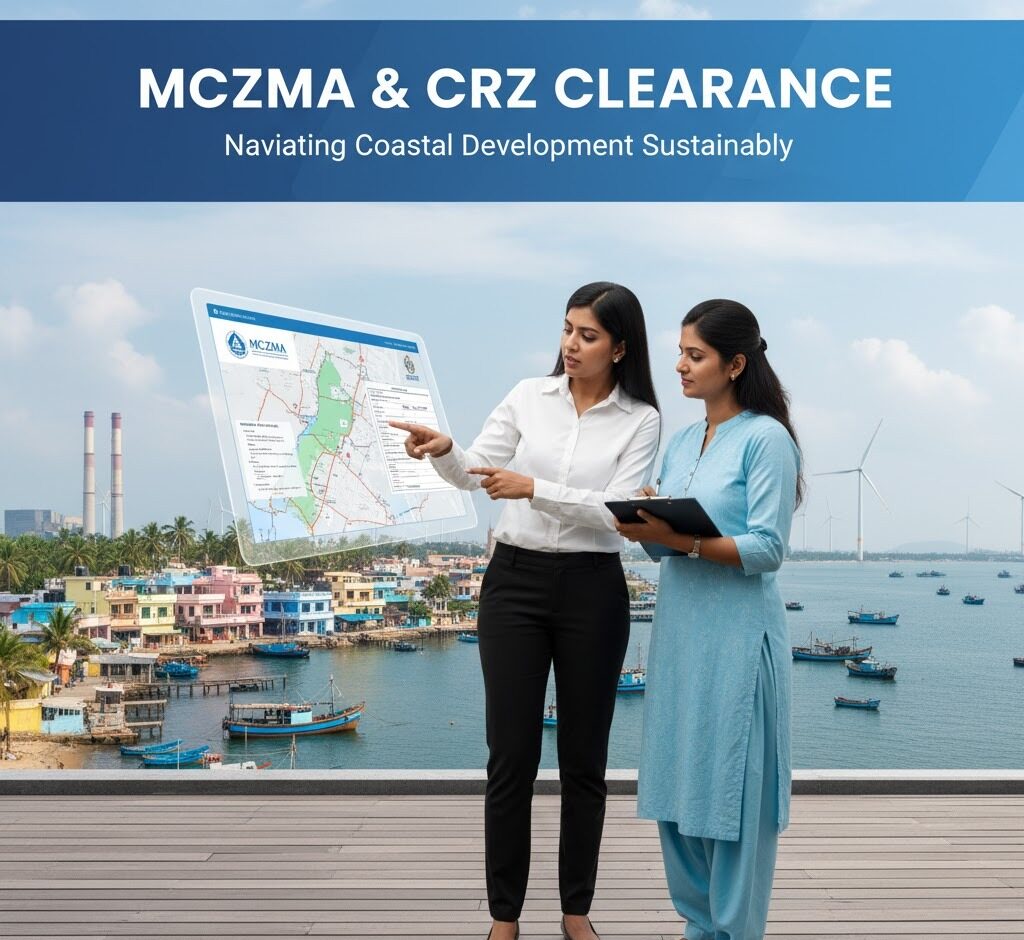
MCZMA and CRZ Clearance
The Maharashtra Coastal Zone Management Authority (MCZMA) oversees development along Maharashtra’s shoreline to protect sensitive ecosystems such as mangroves, beaches, and estuaries. Any project located within Coastal Regulation Zone (CRZ) areas must obtain CRZ Clearance, which is granted after assessing its impact on coastal habitats and ensuring compliance with the CRZ Notification. This clearance process helps balance sustainable development with the conservation of fragile coastal and marine

Hydro-geological Services
Hydro-geological services involve studying underground water resources, including their occurrence, movement, and quality. These services help assess groundwater availability, plan sustainable extraction, and design recharge or conservation measures. They are vital for industries, agriculture, and urban planning to ensure reliable and environmentally responsible use of groundwater.

Land Use study
A land use study analyzes how land is currently utilized—such as for agriculture, forestry, housing, industry, or conservation—to guide future planning. It helps identify patterns, assess environmental impacts, and ensure sustainable allocation of resources. Such studies support balanced development while protecting ecosystems and community needs.
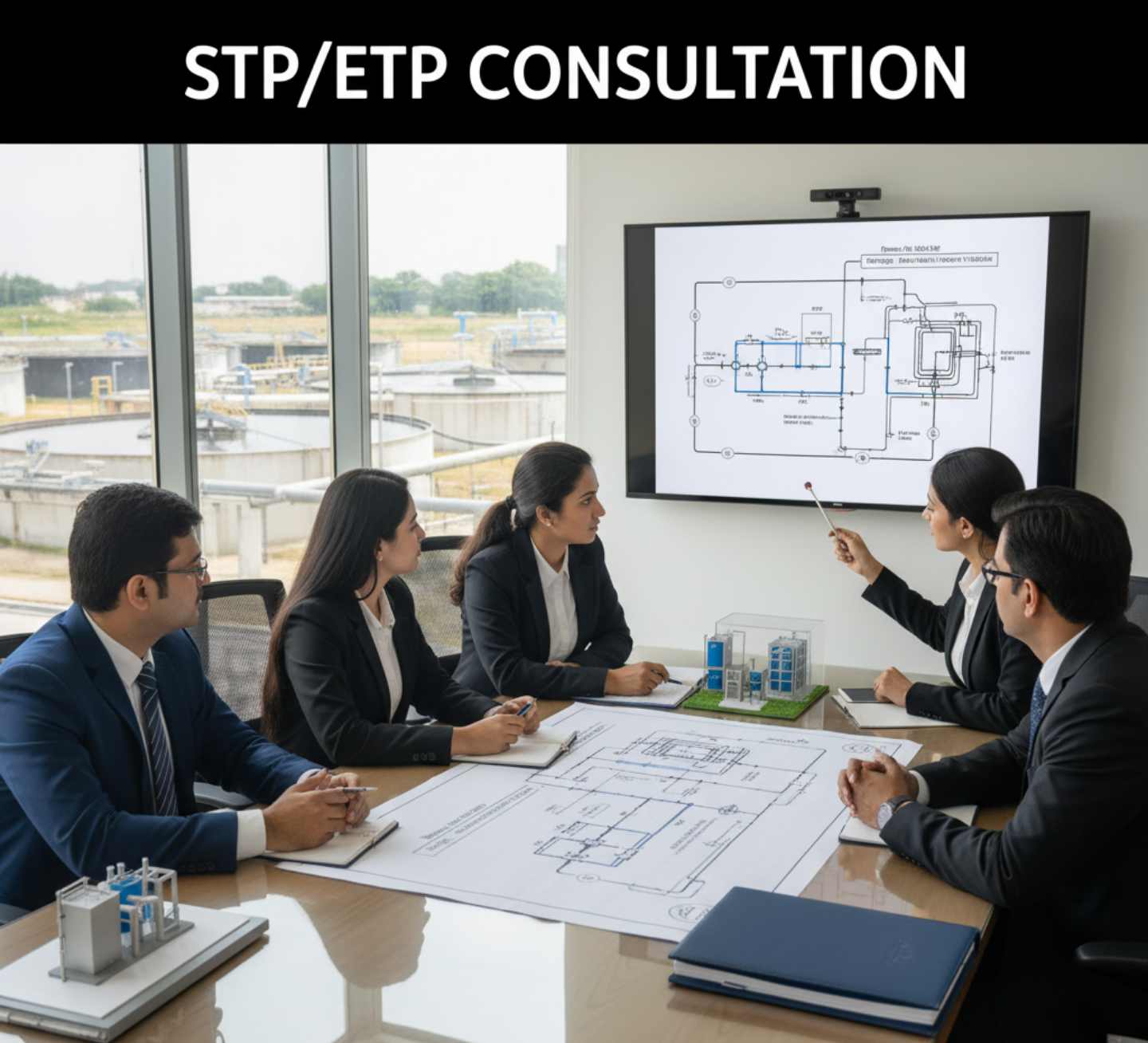
STP/ETP consultation
STP/ETP consultation provides expert guidance for designing, installing, and optimizing Sewage Treatment Plants (STPs) and Effluent Treatment Plants (ETPs). It helps industries, commercial facilities, and municipalities treat wastewater effectively, ensuring compliance with environmental norms. These services promote cleaner water discharge, resource recovery, and sustainable water management.

Green building study
A green building study evaluates how a structure can minimize its environmental impact through energy efficiency, water conservation, sustainable materials, and indoor air quality. It helps identify design strategies, technologies, and construction practices that reduce resource consumption and carbon footprint. Such studies promote healthier spaces while supporting long-term sustainability and cost savings.

Disaster Management Plan
A Disaster Management Plan outlines strategies and procedures to prevent, prepare for, respond to, and recover from natural or manmade disasters. It defines roles, resources, and communication systems to minimize damage and protect people, property, and the environment. Such plans help organizations and communities build resilience and ensure quick, coordinated action during emergencies.

Certified Compliance Report
A Certified Compliance Report is an official document prepared by an accredited expert to verify that a project is following all environmental clearance conditions and legal requirements. It includes site inspections, data analysis, and evidence of adherence to approved measures. This report helps regulatory authorities ensure accountability and sustainable implementation of projects.
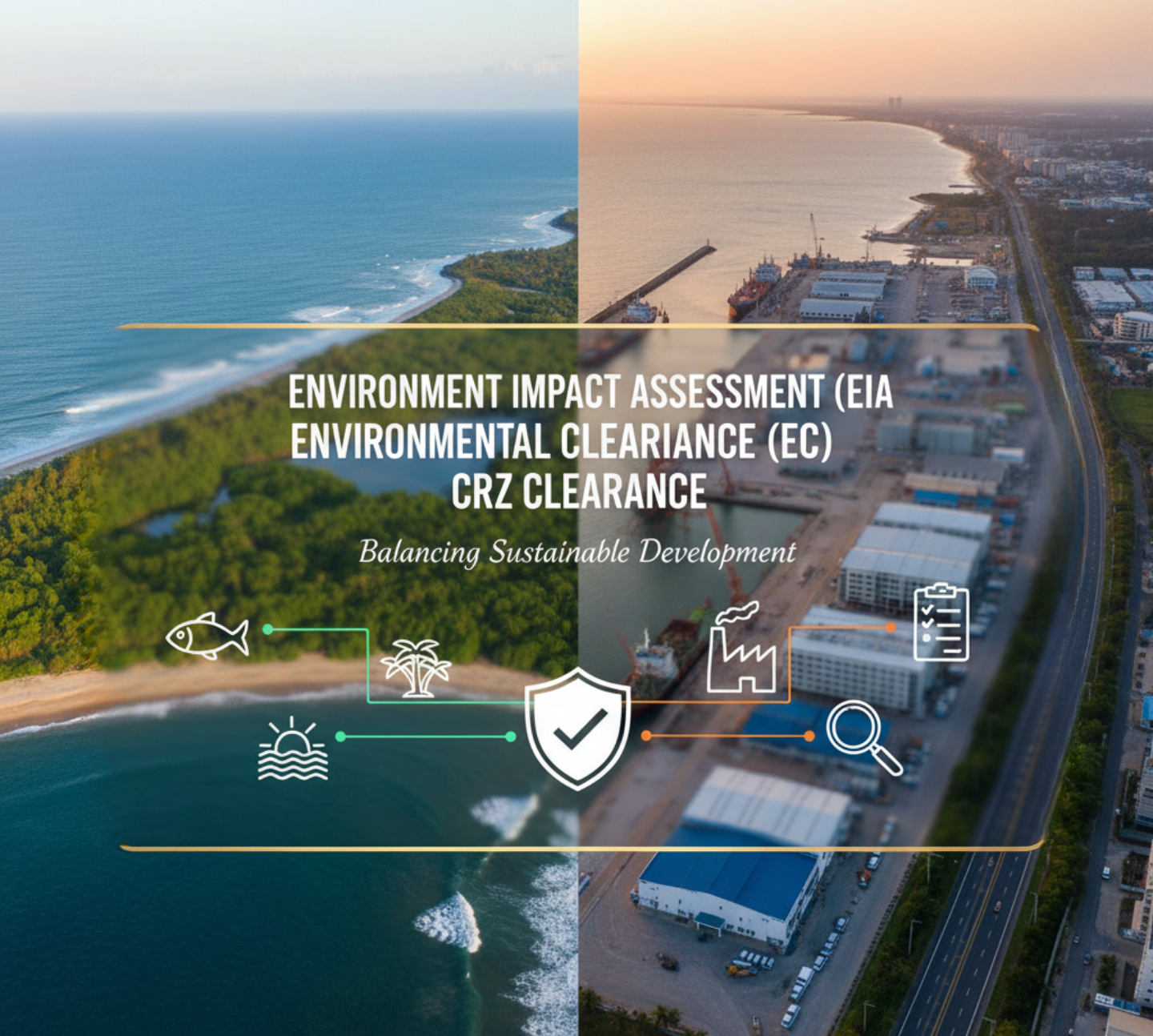
Environment Impact Assessment (EIA) Environmental Clearance (EC), CRZ Clearance
An Environment Impact Assessment (EIA) evaluates the potential environmental effects of a proposed project, helping identify ways to prevent or reduce harm. Based on the EIA, projects may obtain Environmental Clearance (EC), which is mandatory for activities with significant ecological impacts. For developments in coastal areas, CRZ Clearance is also required to ensure protection of sensitive shorelines, mangroves, and marine ecosystems while enabling sustainable growth.
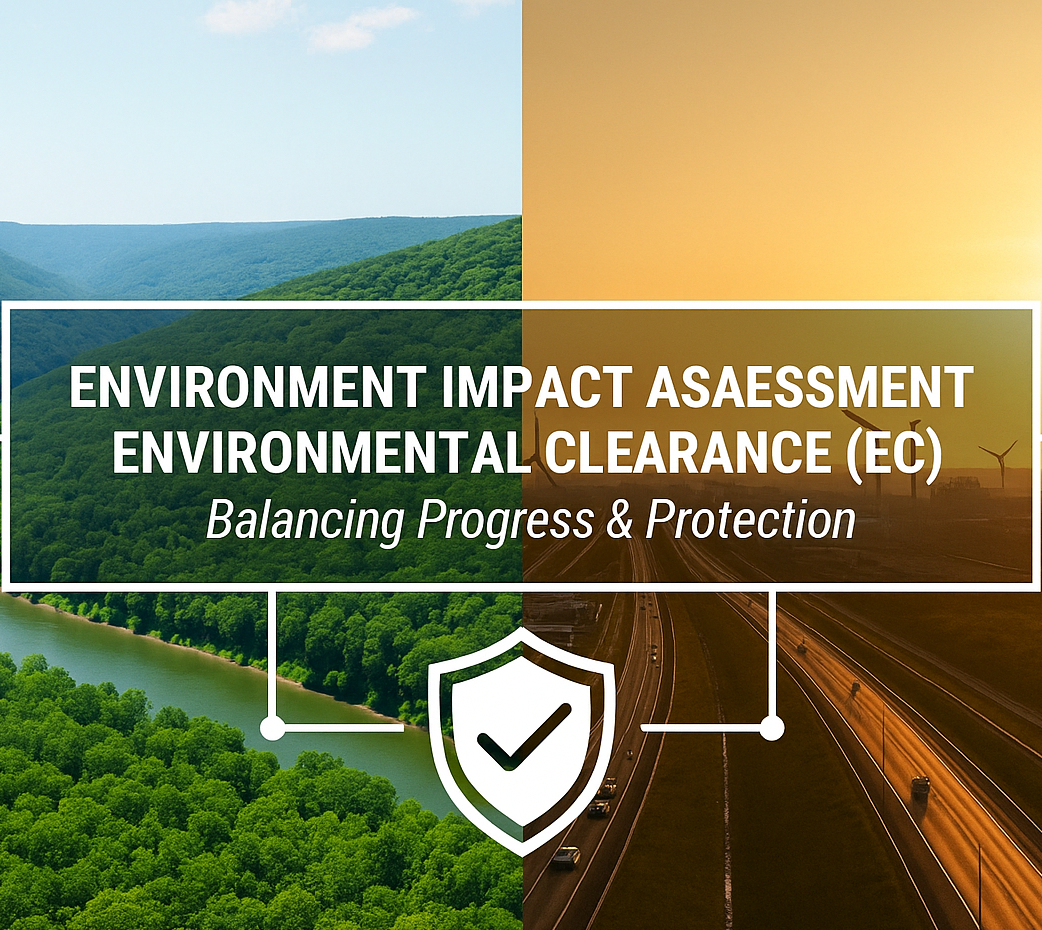
Environment Impact Assessment (EIA) Environmental Clearance (EC)
An Environment Impact Assessment (EIA) is a systematic study that identifies and evaluates the likely environmental effects of a proposed project. Based on its findings, projects obtain Environmental Clearance (EC), which grants approval to proceed while ensuring compliance with environmental safeguards. Together, EIA and EC help balance development needs with the protection of natural resources and communities.

Consent to Establish/ Operate/ Renewal
Consent to Establish (CTE), Consent to Operate (CTO), and their Renewal are authorizations issued by State Pollution Control Boards to regulate industries and infrastructure projects. They ensure that proposed and running operations comply with prescribed air, water, and waste management standards. Obtaining and periodically renewing these consents is essential for lawful, sustainable, and pollution-free industrial activity.

Compliance Monitoring
Compliance monitoring is the systematic process of tracking whether a project or facility is following all environmental regulations, permits, and clearance conditions. It involves inspections, sampling, data review, and reporting to verify adherence to set standards. Regular monitoring helps identify issues early, promote accountability, and ensure sustainable, lawabiding operations.
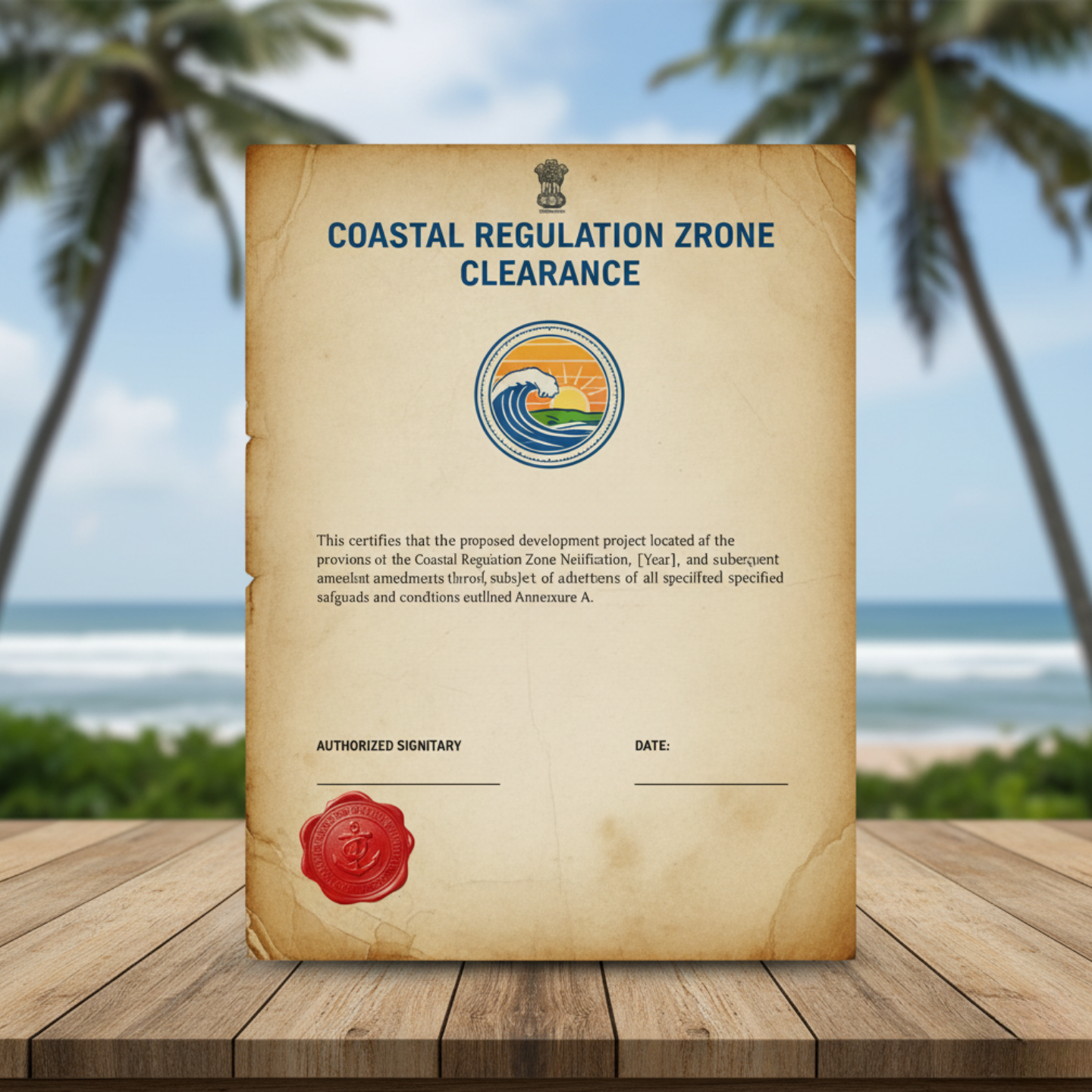
CRZ Clearance
CRZ (Coastal Regulation Zone) Clearance is a mandatory environmental approval required for any developmental activity along India’s coastline to ensure protection of fragile coastal ecosystems. It assesses the potential impact of construction, industrial, or tourism projects on marine life, mangroves, and shoreline stability. Obtaining CRZ Clearance helps balance developmental needs with sustainable coastal conservation and regulatory compliance.

High Rise Study
The High Rise Study involves analyzing the environmental, structural, and urban impacts of constructing tall buildings in a given area. It assesses factors like wind flow, shadowing, drainage, and compliance with safety and zoning regulations. This study ensures that high-rise developments are safe, sustainable, and aligned with local urban planning norms.

Wind Analysis
Wind Analysis is the study of wind patterns, speed, and direction in a specific area to understand its impact on buildings, structures, and the environment. It helps in designing safe and efficient structures, reducing wind-related hazards, and improving ventilation and energy efficiency. This analysis is crucial for urban planning, high-rise construction, and environmental sustainability.
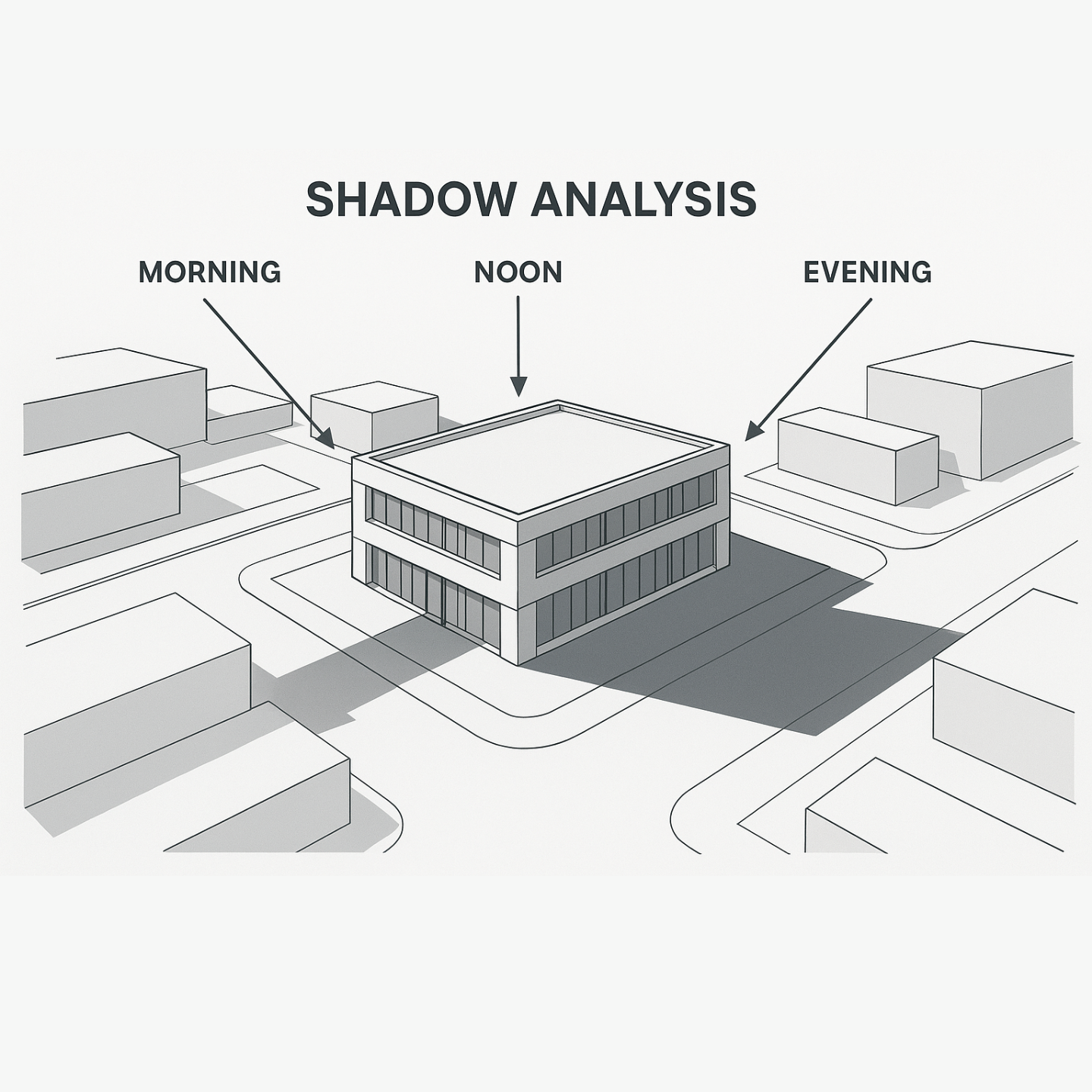
Shadow Analysis
Shadow Analysis evaluates how buildings or structures cast shadows on their surroundings throughout the day and across seasons. It helps in understanding the impact on neighboring properties, public spaces, and natural light availability. This analysis ensures sustainable urban planning, minimizing adverse effects on the environment and community well-being.
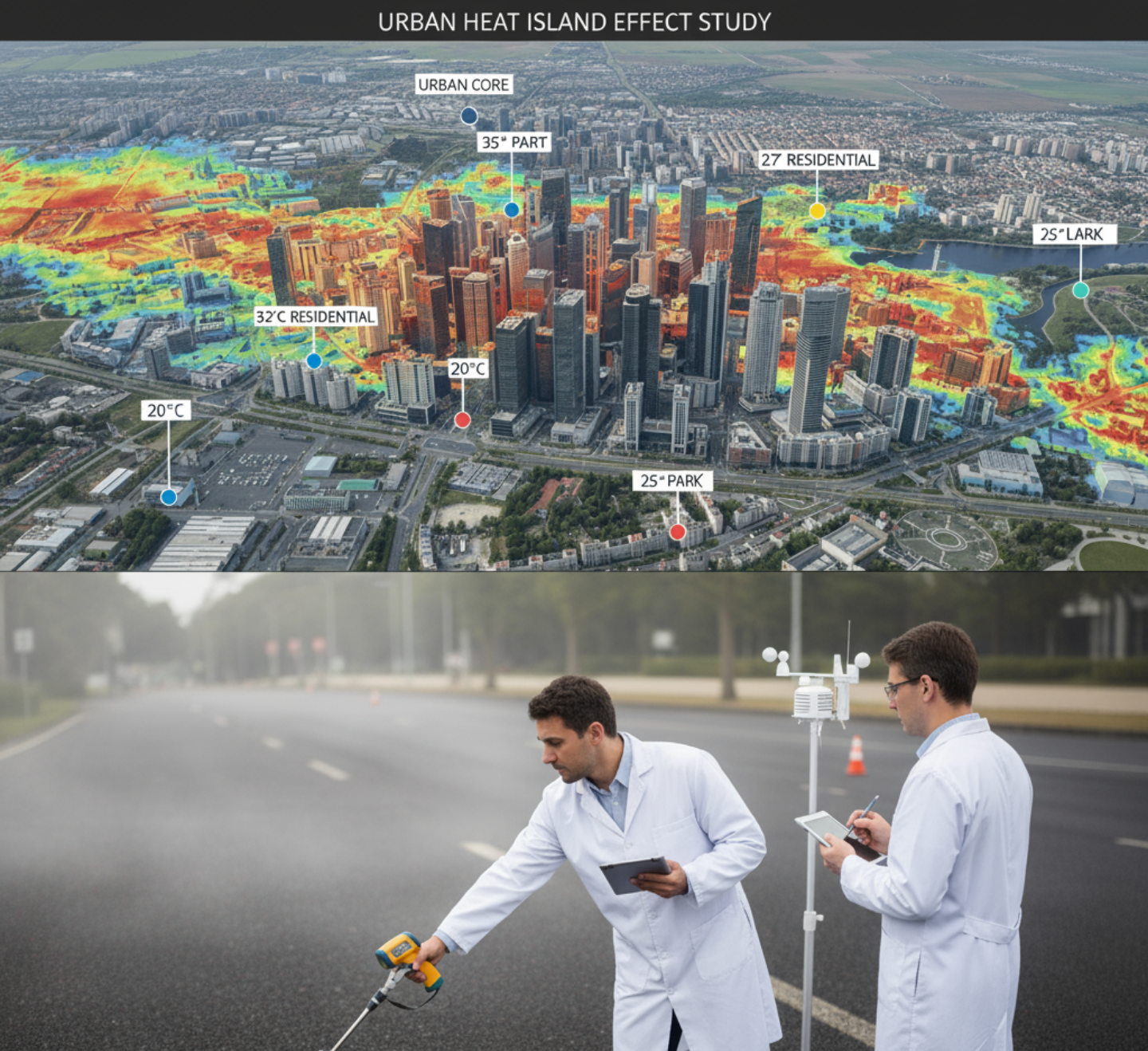
Heat Island Effect Study
Heat Island Effect Study examines how urban areas experience higher temperatures than surrounding rural areas due to human activities, buildings, and paved surfaces. It assesses the impact of this temperature rise on energy consumption, air quality, and public health. The study helps in planning mitigation measures like green spaces, reflective materials, and sustainable urban design.
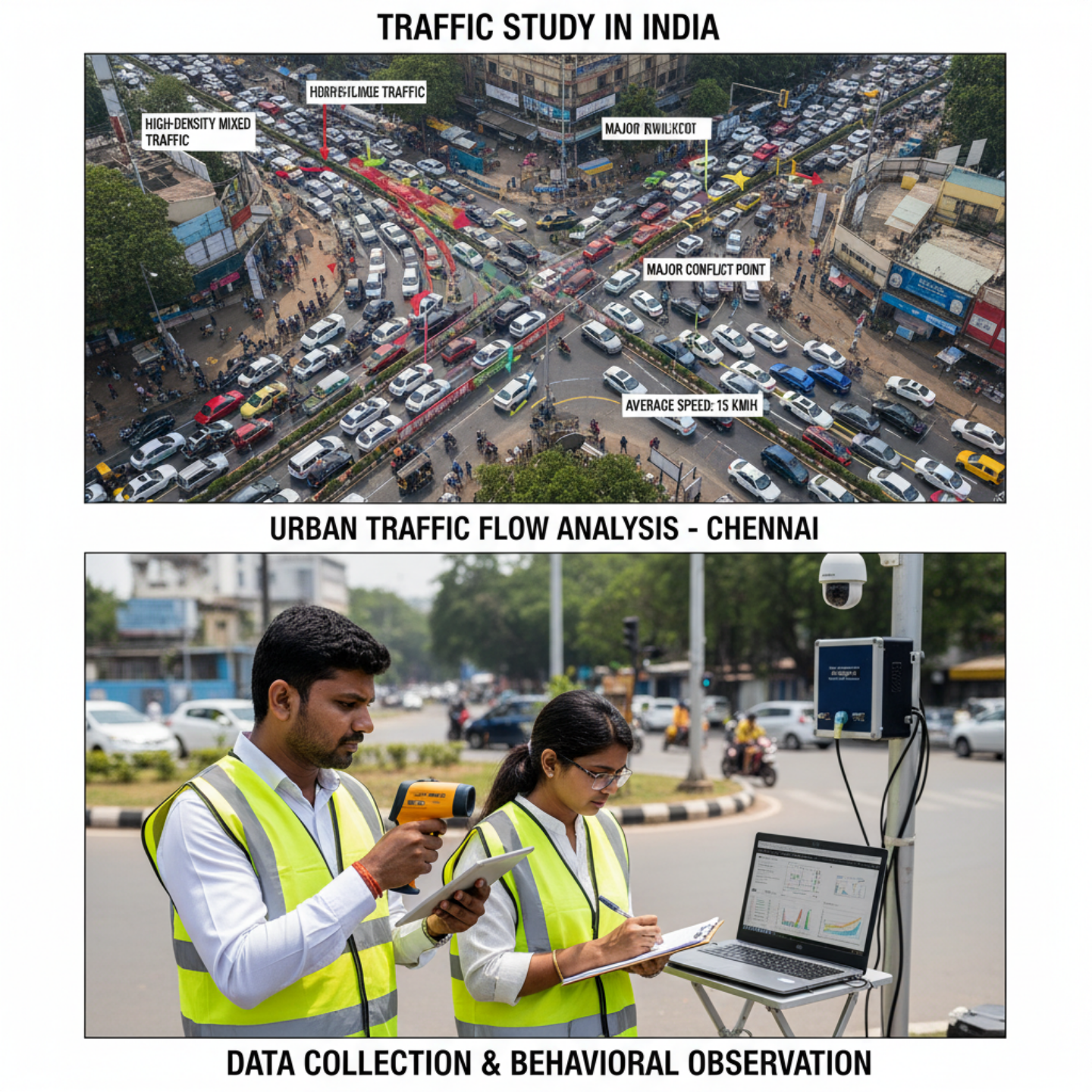
Traffic Study
Traffic Study involves analyzing the flow, volume, and patterns of vehicles and pedestrians in a specific area. It helps identify congestion points, safety risks, and the need for infrastructure improvements. This study supports efficient urban planning, reducing travel time, accidents, and environmental impacts from traffic.
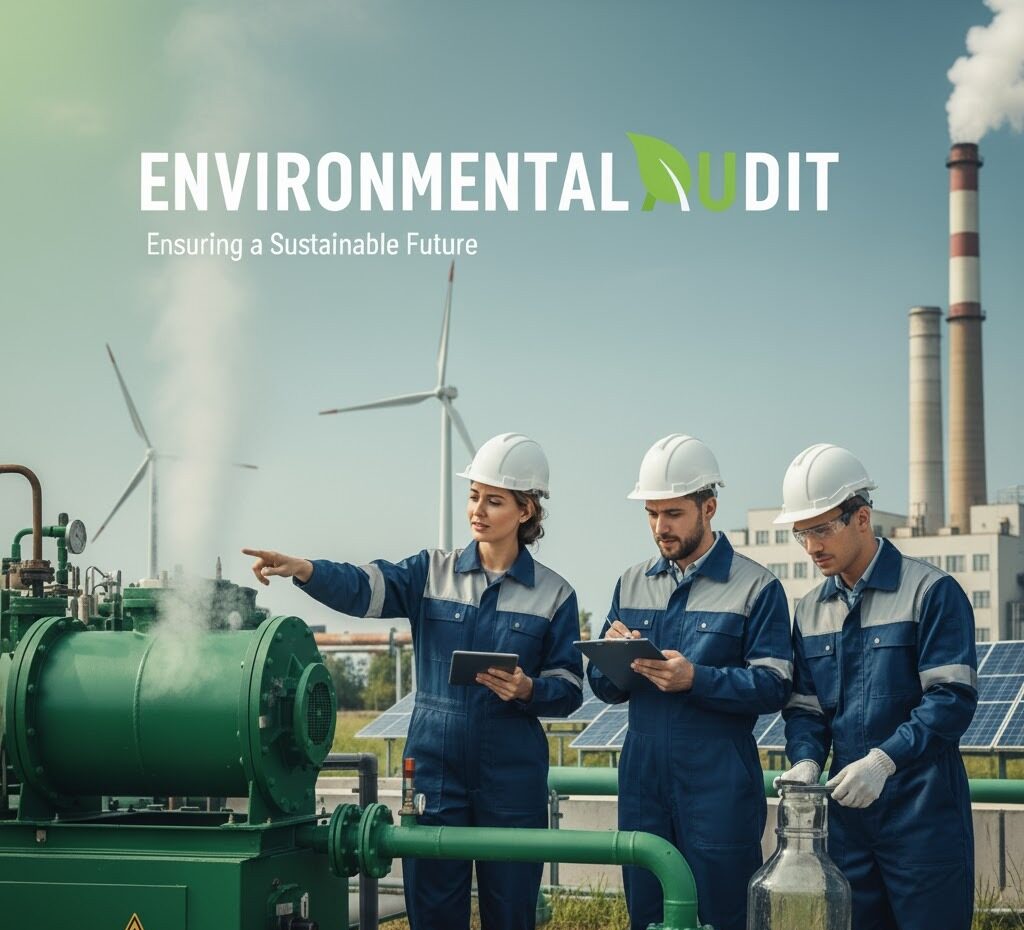
Environmental Audit
Environmental Audit is a systematic assessment of a company’s or project’s environmental performance and Compliance with regulations. It identifies areas where environmental impact can be reduced, such as waste management, emissions, and resource use. The audit helps organizations implement sustainable practices, ensure regulatory compliance, and improve overall environmental responsibility.

Solid / Hazardous Waste Management
Solid and Hazardous Waste Management involves the proper collection, segregation, treatment, and disposal of waste materials to minimize their impact on the nvironment and human health. It ensures that hazardous substances are safely handled, reducing risks of contamination and pollution. Effective waste management promotes sustainability, resource recovery, and compliance with environmental regulations.
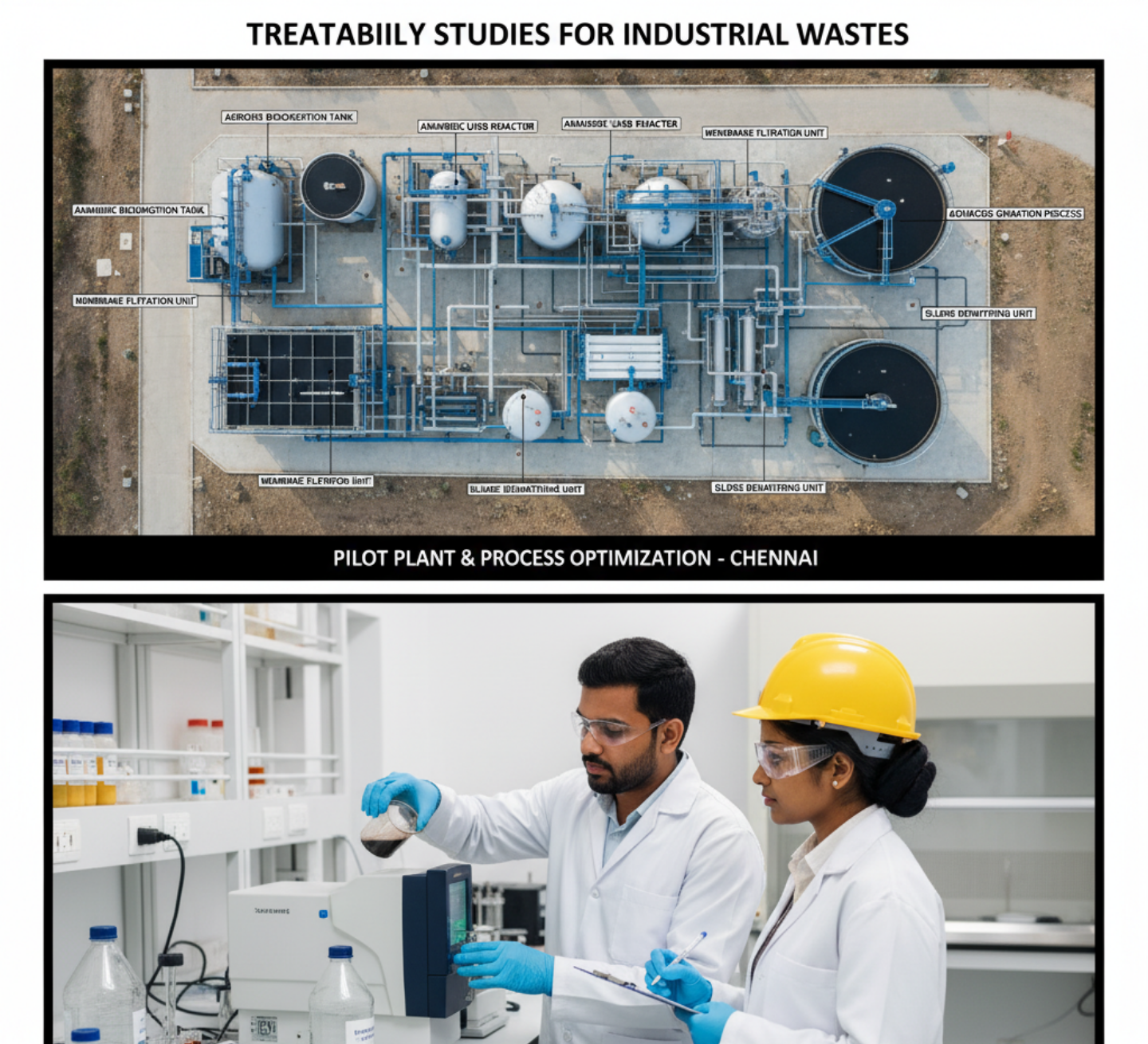
Treatability studies for industrial wastes
Treatability Studies for Industrial Wastes assess the characteristics of wastewater or solid waste generated by industries to determine the most effective treatment methods. These studies help identify suitable physical, chemical, or biological processes to reduce pollutants to safe levels. The results guide industries in designing efficient treatment systems that comply with environmental regulations and protect public health.
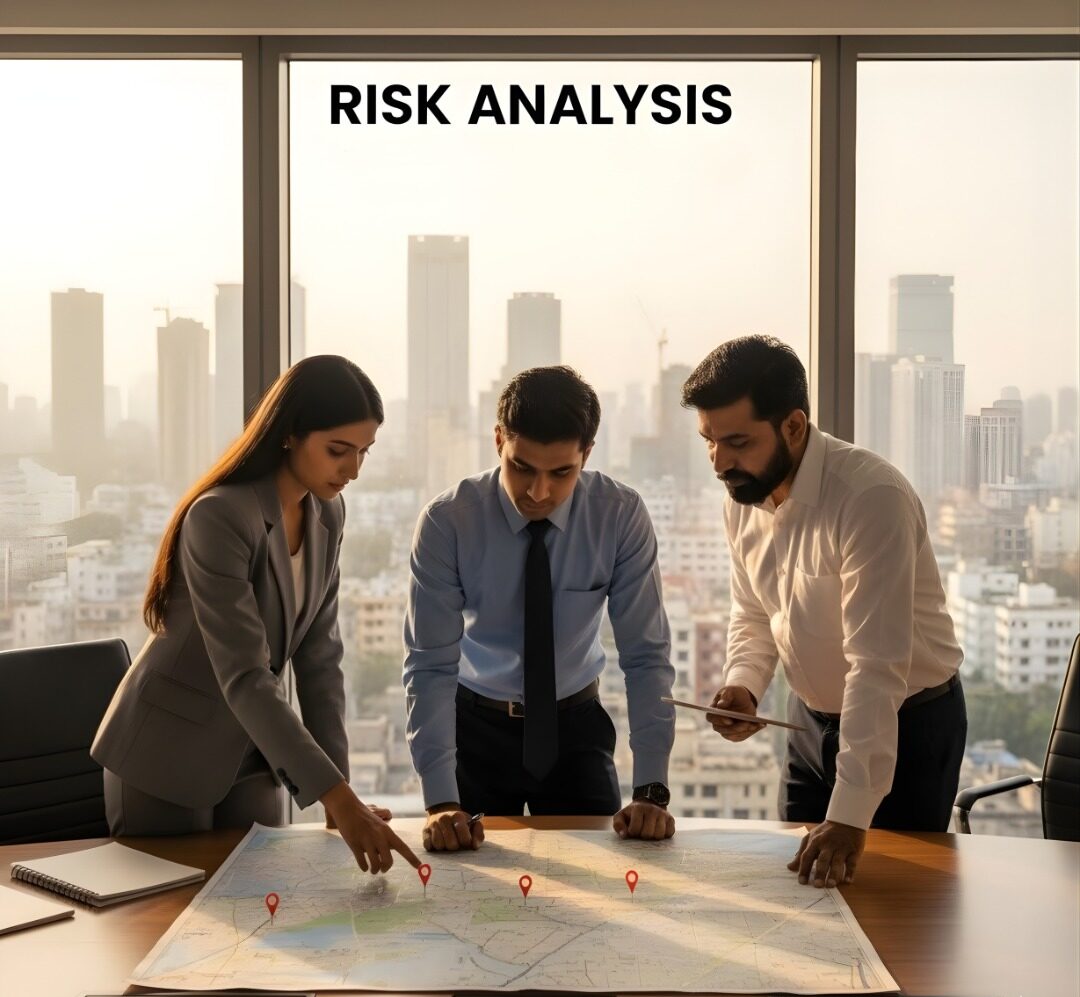
Risk Analysis
Risk Analysis is the systematic process of identifying, assessing, and evaluating potential hazards that could impact people, property, or the environment. It helps in understanding the likelihood and consequences of risks, enabling informed decisionmaking. This analysis supports the implementation of preventive measures, emergency planning, and overall safety management.
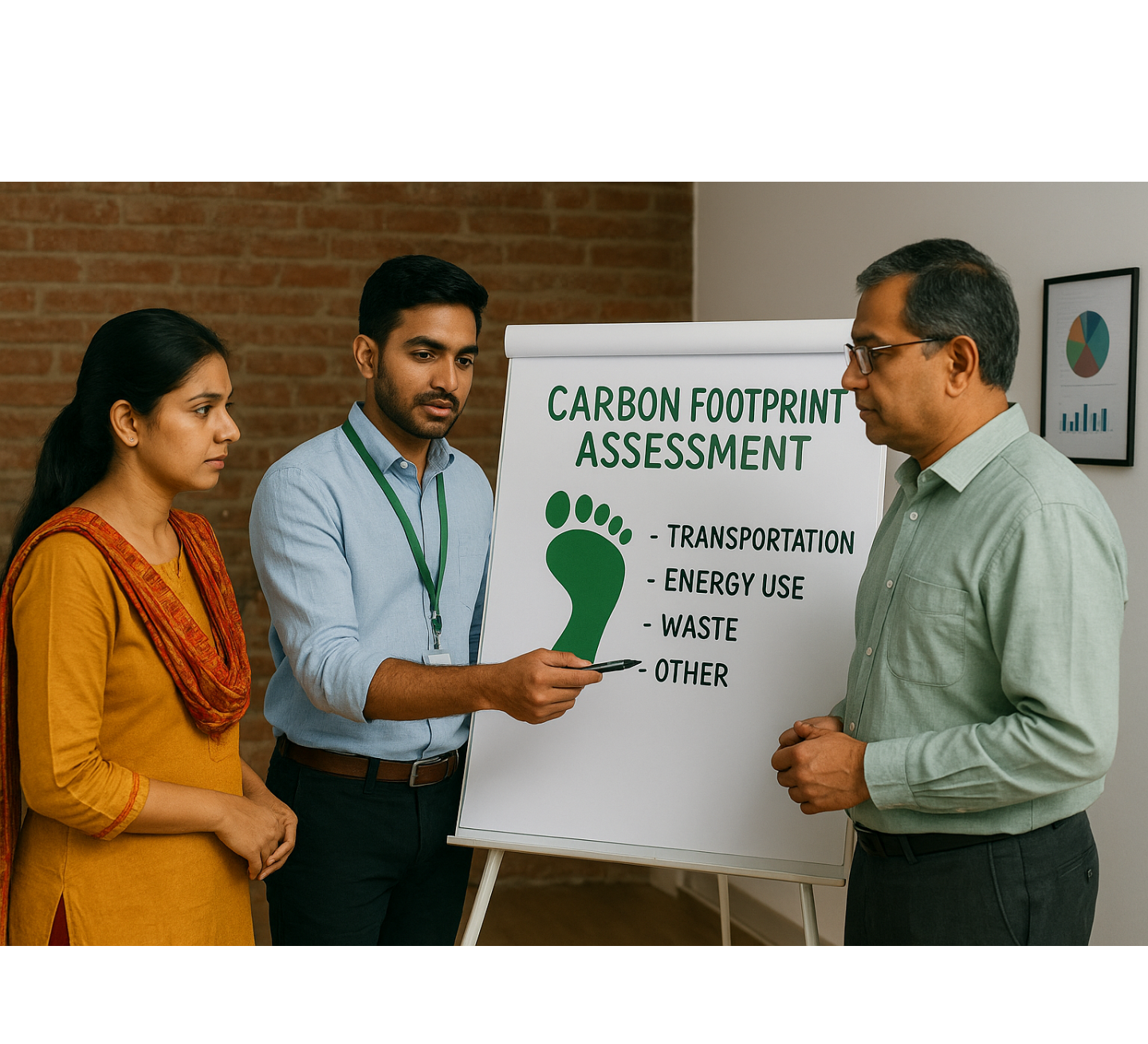
Carbon Footprint Assessment
Carbon Footprint Assessment measures the total greenhouse gas emissions caused directly or indirectly by an individual, organization, or activity. It helps identify key sources of emissions and areas where reductions can be made. This assessment supports sustainability efforts, climate action planning, and the move toward a low-carbon future.
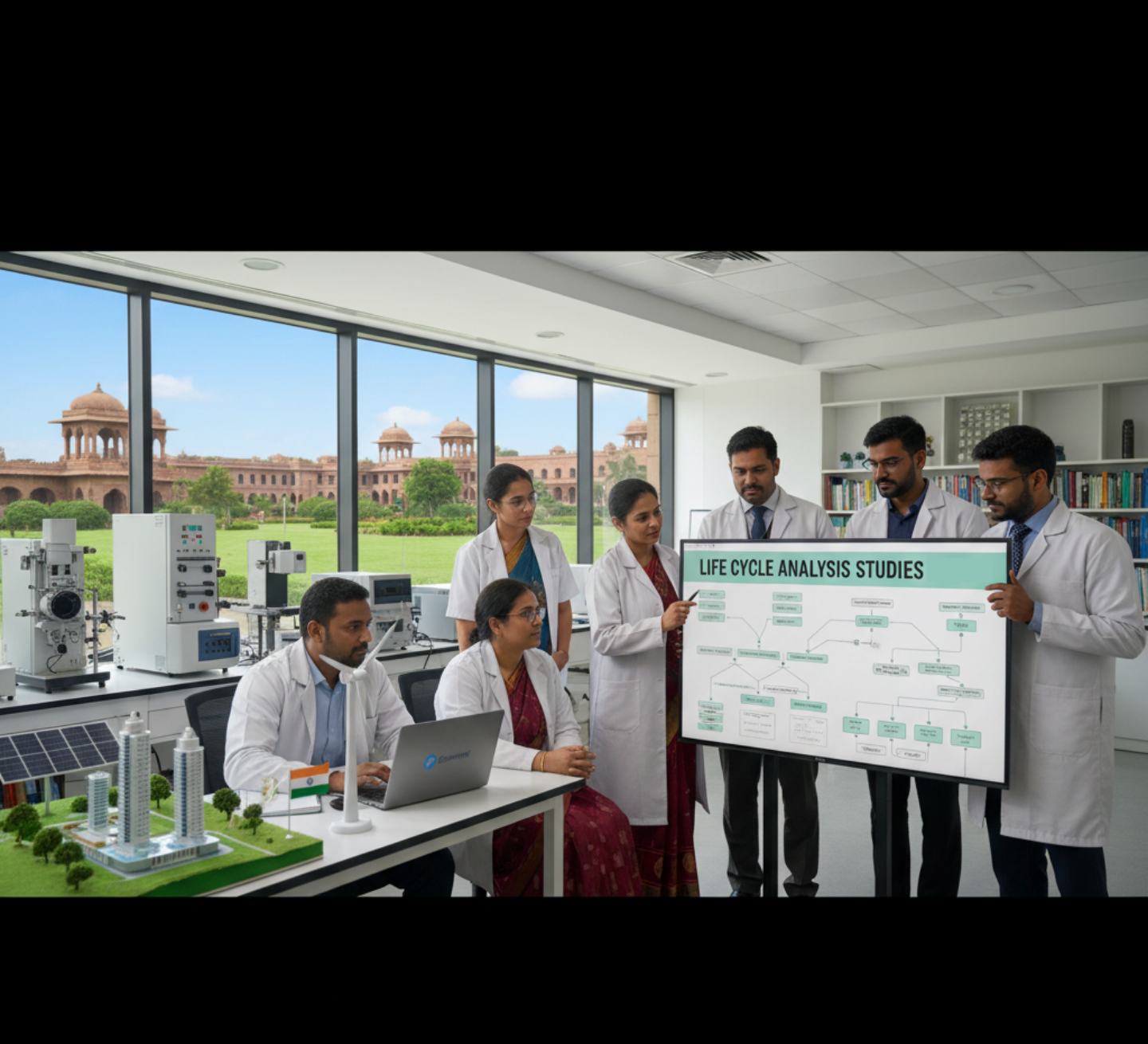
Life Cycle Analysis Studies
Life Cycle Analysis (LCA) Studies evaluate the environmental impacts of a product, process, or service throughout its entire life —from raw material extraction to roduction, use, and disposal. It helps identify stages with the highest environmental burden and opportunities for improvement. LCA supports sustainable decision-making, resource efficiency, and minimizing overall ecological impact.

Industrial Hygiene and Safety Survey
Industrial Hygiene and Safety Survey involves assessing workplace conditions to identify potential health and safety hazards for employees. It examines factors like air quality, noise levels, chemical exposures, and ergonomics to ensure a safe working environment. The survey helps industries implement preventive measures, comply with regulations, and promote overall employee well-being.
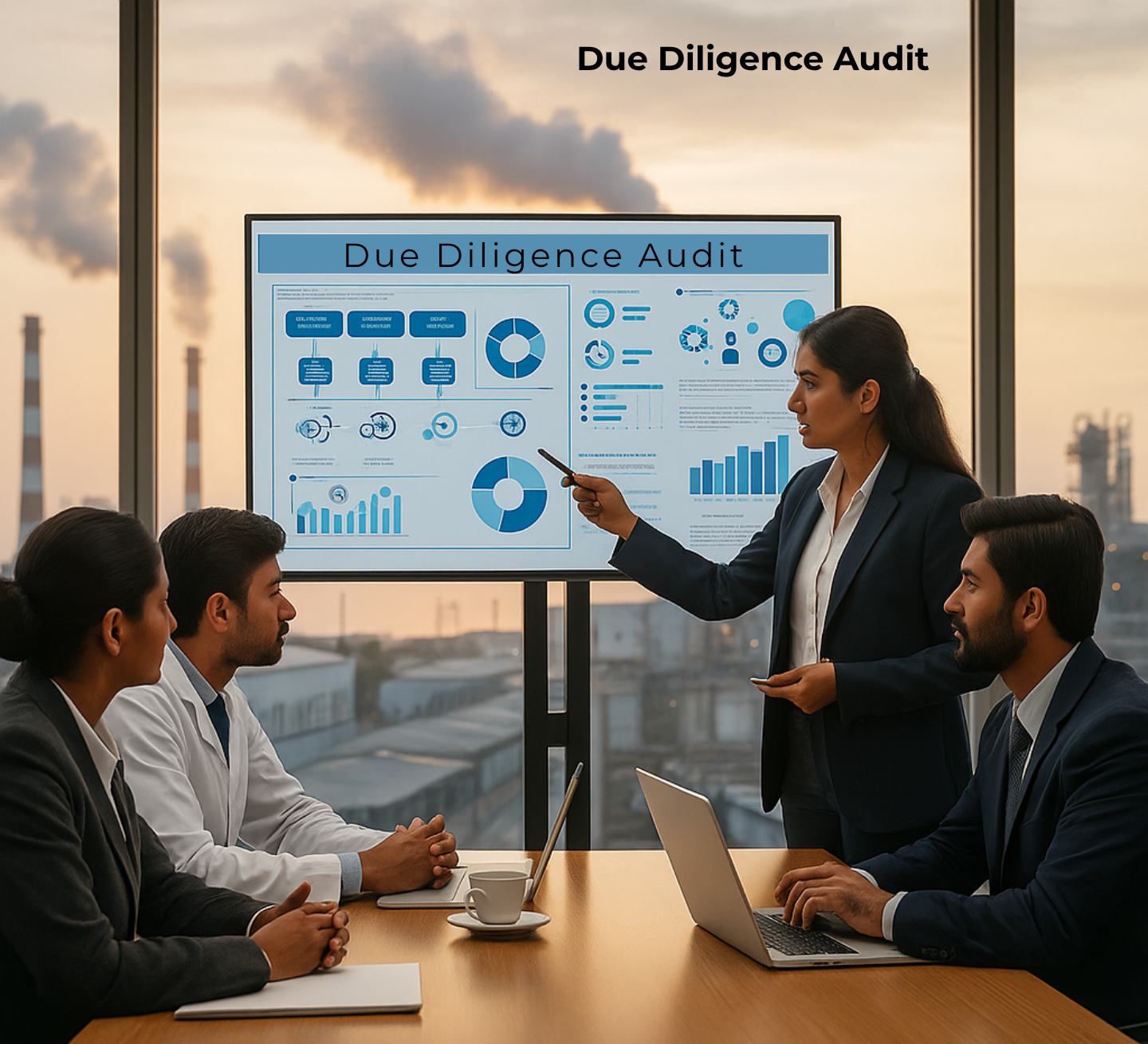
Due Diligence Audit
Due Diligence Audit is a comprehensive evaluation conducted to assess a company’s legal, financial, and environmental compliance. before investments, mergers, or cquisitions. It identifies potential risks, liabilities, and regulatory gaps that could impact decisionmaking. This audit helps stakeholders make informed decisions, ensuring transparency, accountability, and risk mitigation.
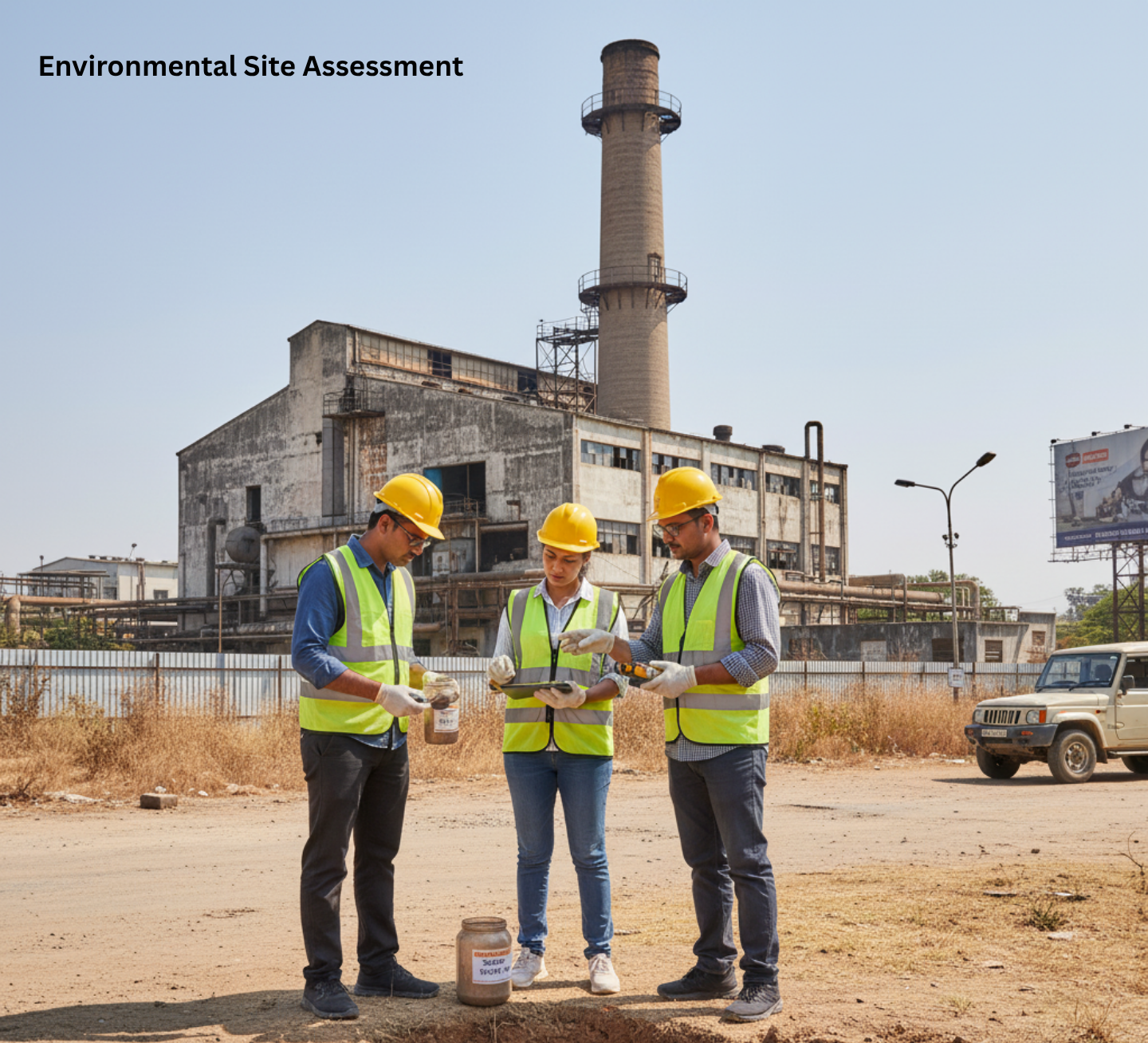
Environmental Site Assessment
Environmental Site Assessment (ESA) is a systematic investigation of a property to identify potential or existing environmental contamination. It evaluates soil, water, and air quality to determine risks to human health and the environment. The assessment guides safe land use, redevelopment, and compliance with environmental regulations.
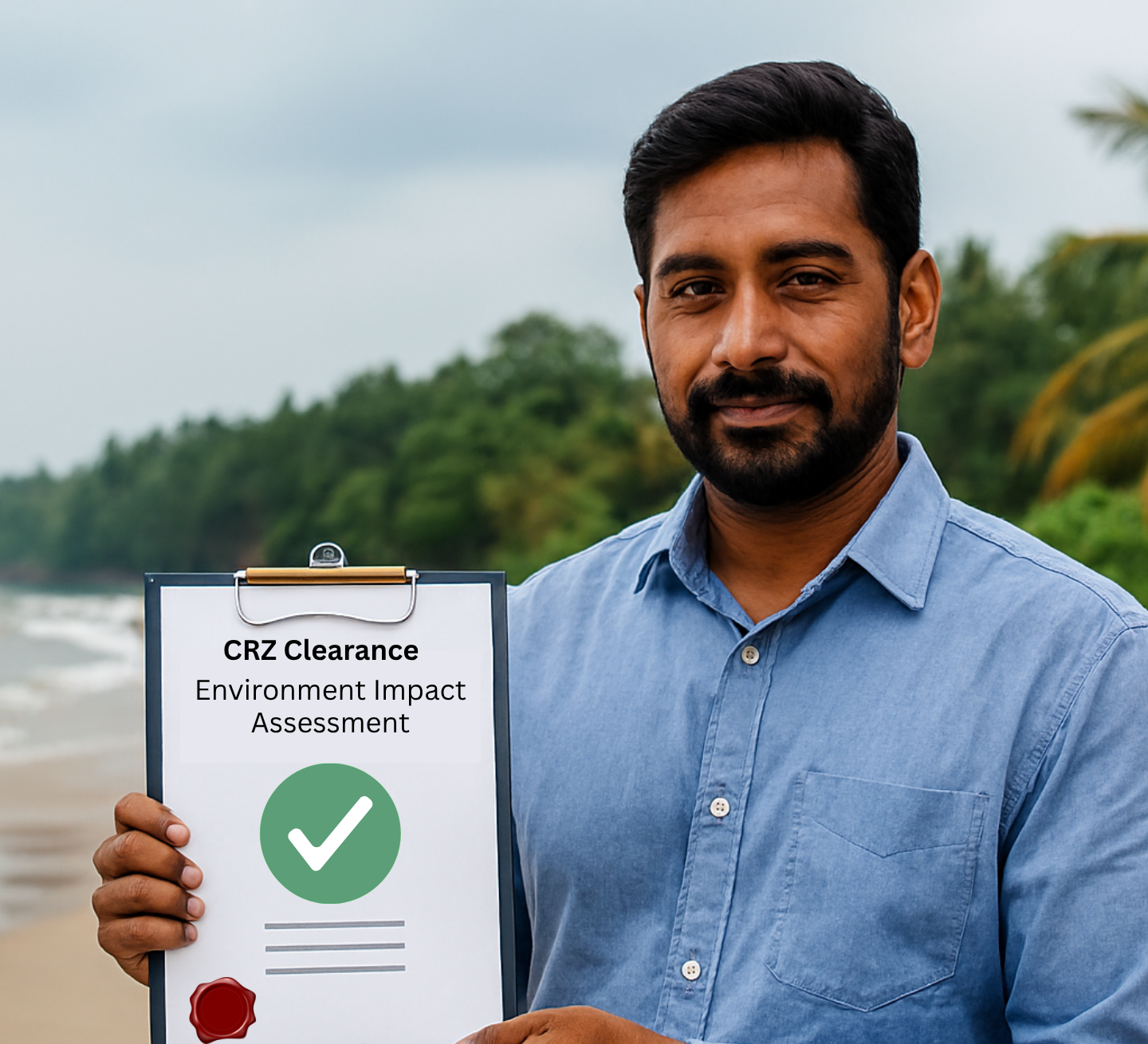
CRZ Clearance Environment Impact Assessment
CRZ Clearance and Environmental Impact Assessment (EIA) involve evaluating the potential environmental effects of projects in coastal areas. It ensures that developments comply with Coastal Regulation Zone (CRZ) norms while minimizing harm to marine ecosystems, biodiversity, and local communities. These assessments guide sustainable planning and regulatory approval for coastal projects.

Rainwater Harvesting Studies
Rainwater Harvesting Studies assess the potential for capturing and storing rainwater in a specific area to supplement water supply. They analyze rainfall patterns, catchment areas, and storage options to design efficient harvesting systems. These studies promote water conservation, reduce dependency on groundwater, and support sustainable urban and rural water management.

Statutory Compliances
Statutory Compliances refer to adhering to laws, regulations, and guidelines set by government authorities applicable to a business or project. They ensure legal operations in areas like environmental protection, labor laws, safety standards, and pollution control. Maintaining compliance helps avoid penalties, promotes ethical practices, and supports sustainable and responsible business operations.

Soil Contamination/ Remediation Audit
Soil Contamination/Remediation Audit involves assessing land for the presence of pollutants and hazardous substances that may harm human health or the environment. It identifies contamination sources, evaluates the extent of pollution, and recommends suitable remediation techniques. This audit ensures safe land use, environmental restoration, and compliance with regulatory standards.

Air Cleaning System
An Air Cleaning System is designed to remove pollutants, dust, and harmful particles from the air to improve indoor or outdoor air quality. It uses technologies such as filters, electrostatic precipitators, or scrubbers to capture contaminants effectively. These systems help protect human health, maintain a clean environment, and comply with air quality standards.

Air Pollution Modelling
Air Pollution Modelling is the process of using mathematical and computational tools to predict the dispersion and concentration of pollutants in the atmosphere. It helps assess the impact of industrial emissions, traffic, and other sources on air quality. This modelling supports informed decision-making for pollution control, regulatory compliance, and environmental planning.

Risk Assessment Modelling
Risk Assessment Modelling is a systematic approach to quantify and predict potential hazards and their impacts on people, property, and the environment. It uses data, simulations, and statistical methods to evaluate the likelihood and severity of risks. This modelling helps organizations implement effective mitigation strategies, enhance safety, and make informed decisions.

Central Ground Water Authority Approvals (CGWA)
Central Ground Water Authority (CGWA) Approvals involve obtaining permission from the regulatory body for the extraction and use of groundwater, especially in areas facing scarcity or overextraction. The approval ensures sustainable groundwater management, compliance with legal norms, and protection of water resources. It is essential for industries, large-scale construction projects, and other activities dependent on groundwater.

LDAR Studies
LDAR (Leak Detection and Repair) Studies involve identifying and repairing leaks of volatile organic compounds (VOCs) and other hazardous gases from industrial equipment. These studies help minimize emissions, reduce environmental pollution, and improve workplace safety. Implementing LDAR programs ensures regulatory compliance and promotes sustainable and efficient industrial operations.
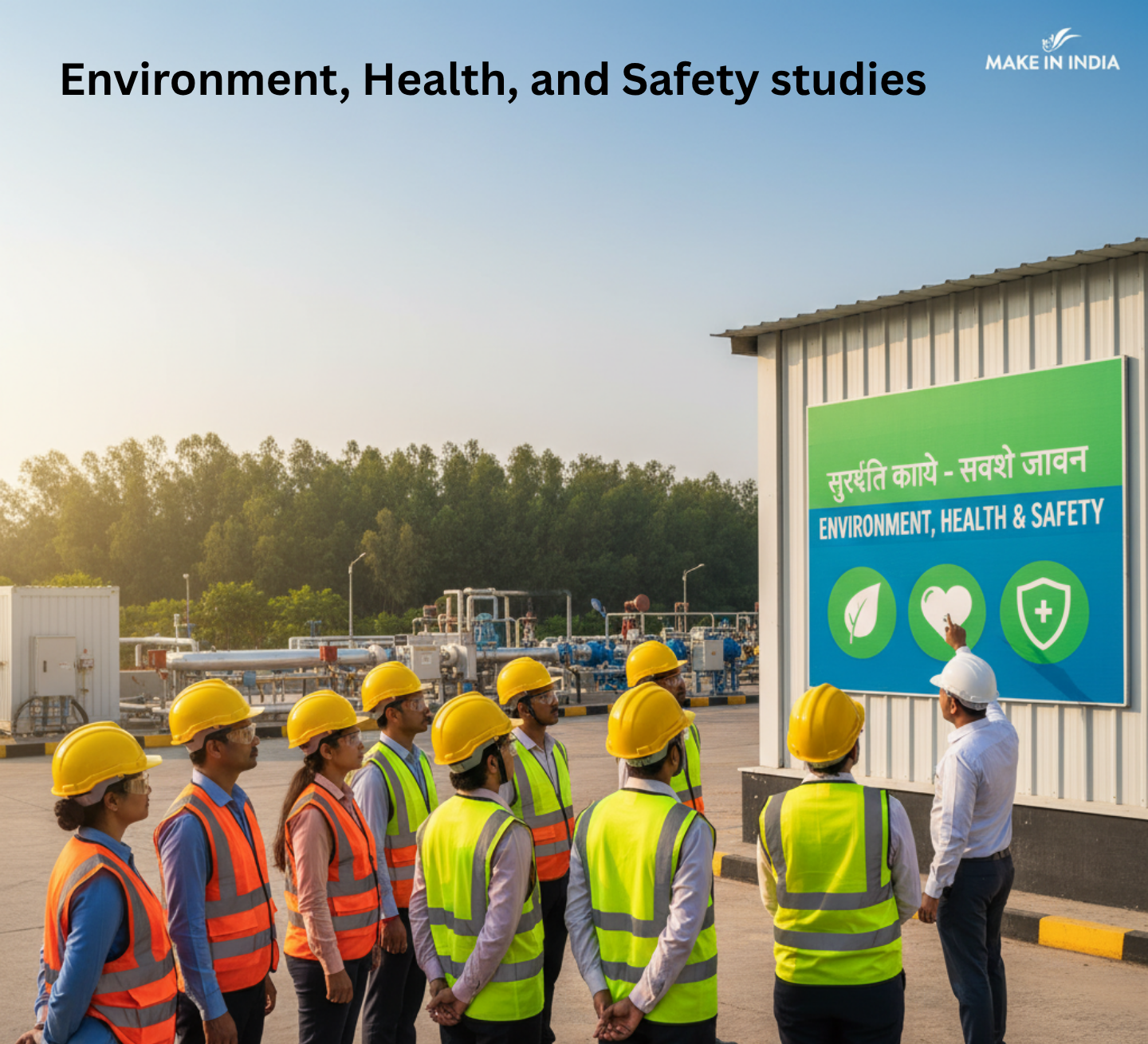
Environment, Health, and Safety studies
EHS (Environment, Health, and Safety) Studies involve assessing the environmental impact, occupational health risks, and safety practices within an organization or project. They identify hazards, evaluate compliance with regulations, and recommend measures to prevent accidents, illnesses, and environmental damage. These studies help create a safe, sustainable, and legally compliant workplace while promoting overall organizational responsibility.


Sectors
Industries
At Mansi Engineers, we believe that environmental protection is not a choice—it’s a responsibility. Our team works with dedication, technical precision, and regulatory insight to ensure that your projects are not only compliant, but also contribute to a greener tomorrow.

Manufacturing

Construction

Pharmaceutical

Agriculture
Energy